
When to Go
Best Time to Go
Set in East Africa with a coastline on the Indian Ocean, Kenya has a diverse geography and is considered a year-round destination for both safaris and beach holidays. For the best wildlife action, aim for the peak season (July to September), but for the ideal adventure-and-relaxation combination (that isn’t peak prices), consider December and January.
January
January in Kenya is a dry-season month with hot, clear days and occasional short rains, offering excellent game viewing. Parks are quieter, and camps have good availability with reasonable rates.
As temperatures rise, the water warms, making it ideal for beach time. Though not a peak migration month, visitors may still spot newborn animals during this period.
Febrary

February in Kenya offers hot, dry conditions ideal for classic safaris, with good property availability and great value. Wildlife viewing is excellent, thanks to short grasses revealing predators and herbivores gathering at waterholes; perfect for photography.
While February is great for Kenya, those eager to see the Great Migration are better off visiting the Serengeti this month.
March
March in Kenya starts humid and hot, with green-season rains beginning. As shoulder season, it offers lower costs, good availability, and fewer tourists. Early in the month, wildlife gathers near waterholes for easy spotting.
However, as rains settle, some lodges close and tracks become muddy. Meanwhile, the dry kaskazi monsoon winds blow along the coast, providing relief from humidity.
April

April marks the start of Kenya’s green season, with cooler temperatures and less sunshine. Wildlife can be harder to spot during rains as animals seek shelter, and park roads often become boggy, affecting safaris.
Properties are quieter and prices lower, offering good value. Despite the challenges, the lush landscapes and dramatic skies provide fantastic opportunities for wildlife and landscape photography.
May
May in Kenya brings heavy long rains, making wildlife sightings difficult and limiting vehicle access in safari areas. Despite the wet conditions, properties are quieter and accommodation prices are lowest.
This challenging season appeals to dedicated safari enthusiasts, as animals hide in tall grasses. While not ideal for sunseekers, the landscapes are vibrant and green, adorned with colourful flowers.
June

June in Kenya follows the long rains, offering pleasant temperatures and increased wildlife sightings. It’s quieter than peak migration months July and August, making it ideal for families due to lower humidity and milder sun.
Accommodation begins to fill, with high season rates. Amboseli National Park is a top spot for elephant viewing during this comfortable safari season.
July
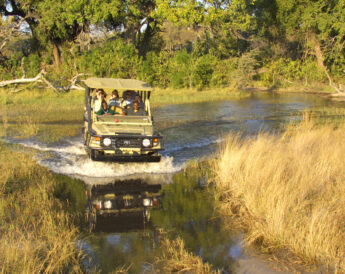
July is the best time to visit Kenya, with the Great Migration bringing wildebeest, zebra, and gazelles to the Maasai Mara for thrilling river crossings. The dry season means cooler, drier weather; ideal for safari.
Accommodation books up quickly and is expensive due to school holidays. The massive herds attract big cats and crocodiles, making for exciting wildlife encounters.
August
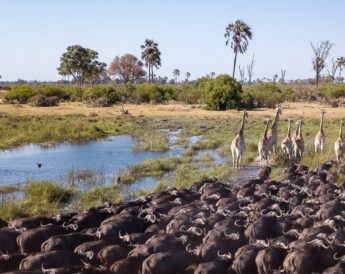
August in Kenya offers dry conditions with fantastic wildlife viewing as the Great Migration herds graze in the Maasai Mara. Wildlife gathers around shrinking water sources, making sightings easier.
It’s a busy month with high rates, so booking early is essential. The weather is perfect for beach holidays, featuring low humidity and virtually no rain.
September
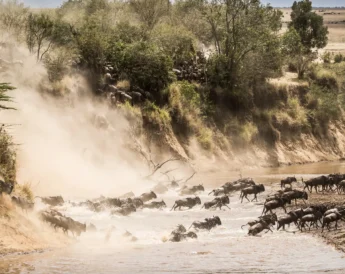
September is an excellent month to visit Kenya, with Great Migration herds grazing in the Maasai Mara. It offers superb wildlife viewing as animals gather around scarce water sources.
Rates are high, so early booking is advised. Availability is slightly better than in July and August. Clear skies provide ideal conditions for wildlife photography, with predators drawn to the vast wildebeest herds.
October

October is the final dry month before the short rains, offering fantastic wildlife viewing as the Great Migration grazes in the Maasai Mara. Property availability improves and prices drop significantly.
Wildlife gathers around waterholes, creating excellent photo opportunities. Migratory birds arrive in vast numbers, with Amboseli and western Lake Nakuru especially popular for birdwatching.
November
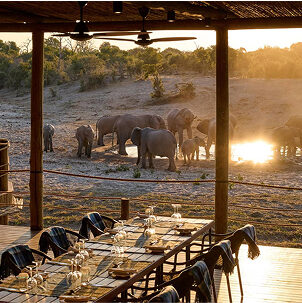
November marks the start of Kenya’s short rains, making wildlife viewing trickier as the month progresses, though newborn animals are around. Visitor numbers drop, leading to lower prices.
The birdlife is excellent, with many migratory species present. As the rains begin, the landscapes transform into lush, green scenes, creating a beautiful setting despite the wetter conditions.
December
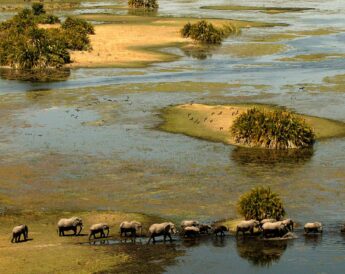
December in Kenya is a dream for a Christmas or New Year safari, with short rains clearing by mid-month. Some properties close while others fill quickly, so booking early – especially for exclusive-use lodges – is wise. Days warm up, especially near the coast where sea breezes refresh.
Lush landscapes and excellent wildlife photography opportunities make December special.
