
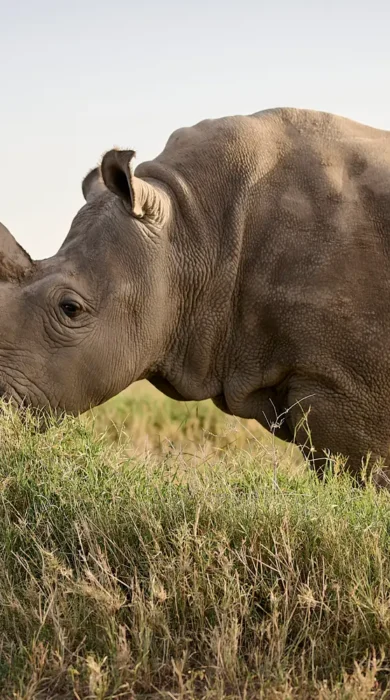
Eco Safaris and Conservation Vacations
As we travel wider, farther, and faster, it becomes ever more important that we all aim to look after the fabulous destinations we visit, including their wildlife and local communities.
At Yellow Zebra, we think it’s our duty to give back – one of the reasons why Yellow Zebra was founded – and we’re not alone in this. We’re really pleased that our clients are increasingly interested in responsible travel too – it’s no longer a fad but, more often than not, a fact!
Now guests can take part in up-close research of endangered species and even get hands-on experience of conservation efforts. It could be that you simply choose to include an eco-friendly camp within your stay, or you might decide to focus your whole safari to Africa on getting involved, meeting local communities and witnessing the success of conservation projects first hand.
Below, we’ve detailed the enormous amount of work that’s going on in the background, highlighting a range of destinations, companies, and properties that deserve a special mention as they head towards a sustainable future.
Stay at Sustainable Accommodations
From using solar-powered generators and zero-waste policies to swapping plastic bottles for glass water bottles, the safari suppliers and partners we use are working hard to play their part in making sure they have little to no environmental impact.
1. Mwaleshi Camp, North Luangwa, Zambia
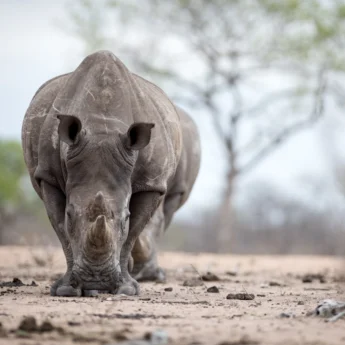
Mwaleshi Camp provides books, teachers’ salaries, and renovations to a nearby school, Mwaleshi’s owner Remote Africa Safaris starts off our collection of conservation-focused companies that also offer extremely high-quality safaris. The camp strongly supports anti-poaching endeavours, and visitors are now seeing rhinos whilst on safari – evidence of Mwaleshi’s hard work.
2. Elephant Watch Camp, Samburu, Kenya
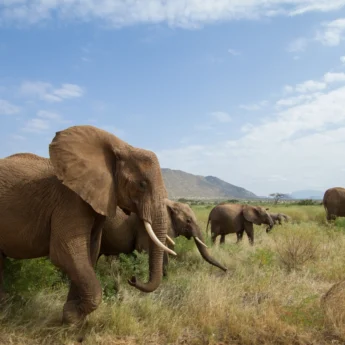
As its name might suggest, Elephant Watch Camp believes that elephants are special. Working in close partnership with the charity Save the Elephants, this camp manages to be both a boho-chic adventure bushcamp and a conservation superhero! It also happens to be a superb camp located in the heart of Kenya’s Samburu National Reserve – we love it!

3. Bomani Tented Lodge, Hwange, Zimbabwe
Bomani Tented Lodge‘s owners, conservation-minded company Imvelo Safari Lodges, is on an incredible mission to ensure that the local people and wildlife benefit directly from the lodge’s visitors. Imvelo has launched eco-conscious and anti-poaching properties, provided clean water sources, tackled fire protection methods, trumpeted rural conservation awareness, and introduced a healthcare system in northern Zimbabwe.
4. Wolwedans Dune Camp, Namib Desert, Namibia
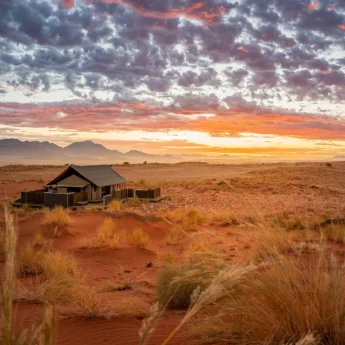
Setting an example for conservation-centred sustainable tourism in Namibia, the Wolwedans camps are designed with minimal impact, offer apprenticeships to young Namibians, and have been awarded and recognised for their dedication to the environment. Most significantly, Wolwedans received the 2018 Five Flowers Eco Award, which is Namibia’s highest eco-tourism accolade.
How Are Destinations Incorporating Sustainable Travel and Tourism Practices?
Combatting plastic waste
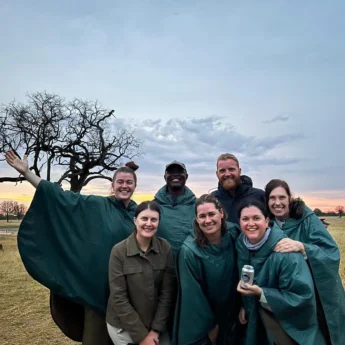
Tanzania, Kenya, Uganda, and Rwanda have all implemented a strong ban on single-use plastic. This includes plastic carrier bags, which can no longer be imported, exported, manufactured, sold, stored, supplied, and used, in an effort to tackle plastic pollution. In many destinations, offenders will be punished with a hefty fine or even prison time for simply using a plastic bag.
Rhino relocation
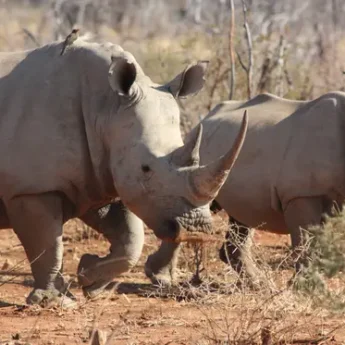
Thanks to the efforts of nature reserves such as the North Luangwa, the Lewa–Borana Landscape, and the Okavango Delta, three countries – respectively Zambia, Kenya, and Botswana – can now claim they have a stable rhino population. It has taken mammoth efforts, a fortune in fundraising, an incredibly dedicated team… and today visitors to these reserves can enjoy spotting the Big Five again.
Wild dog conservation
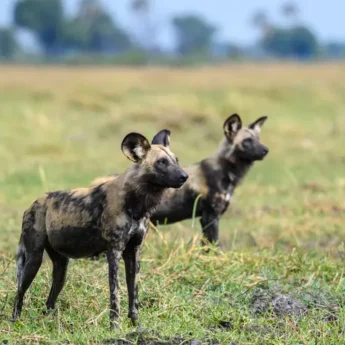
Fewer than 7,000 wild dogs – also known as painted dogs – are left across Africa, making this one of the most endangered species on the continent. Employing an anti-poaching unit and wardens from local villages, places like Mana Pools and Hwange National Park in Zimbabwe are working towards long-term conservation and relocation programs to protect these beloved animals.
Cheetah reintroduction
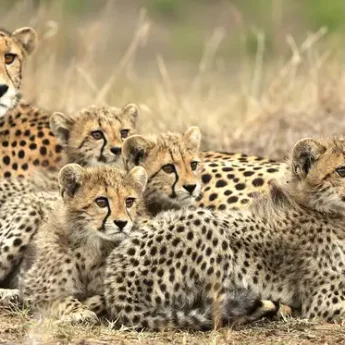
It’s estimated that, within the last hundred years, the global population of wild cheetahs has reduced by almost 92 per cent due to unchecked hunting, illegal pet trading, habitat loss, and human–wildlife conflict. Now cheetahs inhabit only 10 per cent of their historical range and Namibia is home to the world’s largest wild population. However, Namibia is at the forefront of cheetah conservation, reintroducing these beautiful cats back into the wild.
FAQs
What is Yellow Zebra Doing?
As well as making sure we use the companies that are dedicated to sustainability and conservation, Yellow Zebra also supports and sponsors elephant orphanages, pangolin conservation, anti-poaching dog units, and a project to help vulnerable children in South Africa work towards a sustainable future.
Behind the scenes at Yellow Zebra HQ, we have a Gold Standard in company recycling and aim to volunteer up to 400 hours this year in the local community. We also encourage our clients to travel as responsibly as they can, and we’ve put together a data-driven guide for our top tips on traveling responsibly.
Speak to an Expert
Let one of our Yellow Zebra specialists design
your tailor‑made African adventure