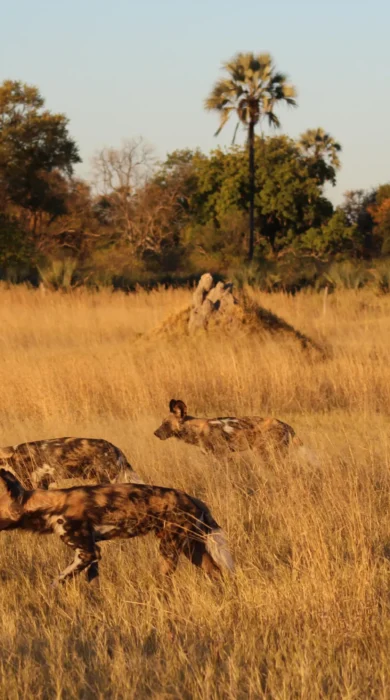
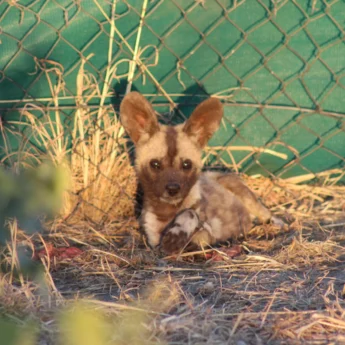
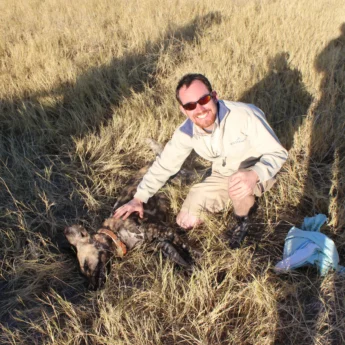
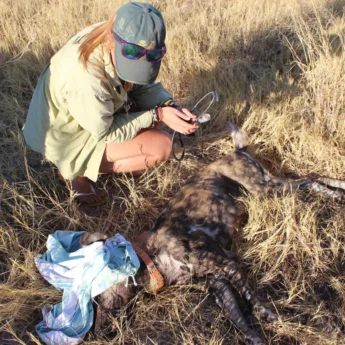
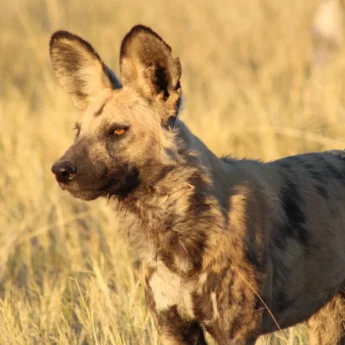
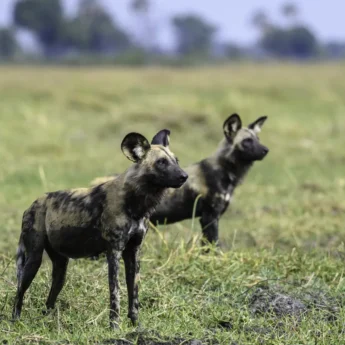
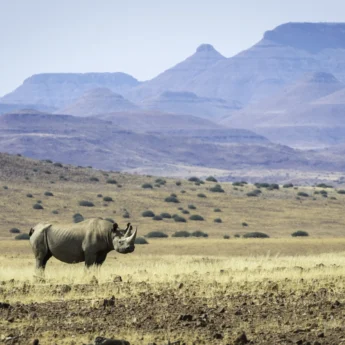
Sometimes, when you travel in Africa, you might come across researchers. If you get a chance to attend a presentation by them or just have a chat about their work around the fire in the evening, I highly recommend that you take this opportunity. Their work is incredibly important, and they are very passionate world experts in their fields. During my time living in Botswana, as well as the mission I was involved in with the wild dog team, I was also lucky enough to meet many other researchers and conservationists including those who are studying elephant populations and ranges, wildebeest and zebra migrations, and rhino conservation and protection.
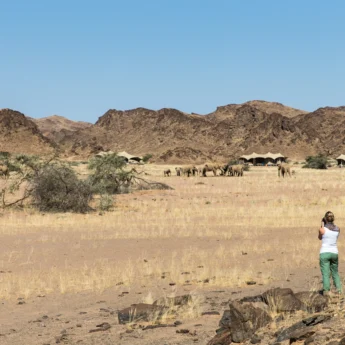
When I worked in Namibia, I was often semi-resident at Hoanib Skeleton Coast Camp, and this is a great place for safari tourists to engage with researchers. The camp has an onsite research center and provides accommodation and logistical support for researchers. While staying there, I have spent time with people who study desert-adapted lions, brown hyaena, cheetah, and bats. On one memorable occasion, I went out to help protect a humanely caught wild cheetah from a dramatic desert thunder downpour and I spent an evening taking wing tissue samples from bats.
The work of researchers across Africa and the world is critical in understanding and conserving wildlife, environments, and biodiversity, but many researchers face significant funding shortages and can experience difficulties gaining access and research permissions. However, the good news is that many of the safari operators that we work with provide financial and logistical support to conservation and research projects. Also, just by visiting Africa on safari, you are supporting conservation efforts by contributing to the economic case for protecting wilderness areas.