
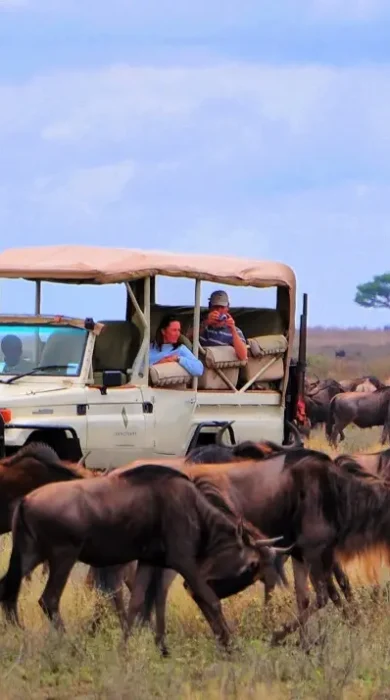
Kenya Vs. Tanzania

Deciding between Kenya and Tanzania for your safari? It’s a classic East Africa safari dilemma that many travellers face…
Ultimately, the choice depends on several things, including your priorities, dates, and budget. Here, we take a detailed look at how the countries compare and which one is best for you.
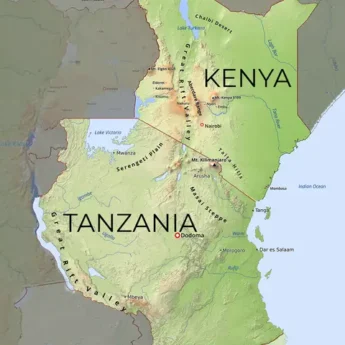
Kenya and Tanzania
As East Africa’s most popular destinations, we’re often asked how to pick a favourite. The truth? It’s not about which is better, but which fits your chosen style of safari. So the answer to Kenya versus Tanzania isn’t a simple one! Both are home to the Serengeti–Mara ecosystem and the Big Five, yet they offer distinct experiences. Kenya excels when it comes to flexibility, as there are private conservancies in Laikipia and the Greater Mara allowing activities such as night drives and fly camping that are restricted elsewhere. In contrast, beyond the northern circuit, parks like Ruaha and Nyerere in Tanzania cater to those seeking a rugged, authentic adventure. For a beach add-on, the Kenyan coast and Zanzibar are two of Africa’s best beach destinations, easily accessible from either Kenya or Tanzania.
To help you choose between these two safari favourites, we’ve asked one of our East Africa experts to break down the essential questions to ask yourself when deciding between Kenya and Tanzania for your next safari.
Is seeing the Great Migration a priority?
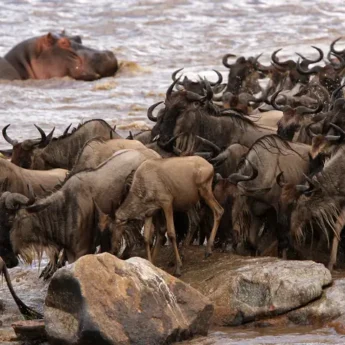
The Great Migration is a major highlight of the safari calendar, but it’s far from being the only reason to visit Kenya and Tanzania. Below, we offer key pointers for those who want to experience the herds, as well as advice for travellers who’d like to see wildlife beyond the famous mass of herbivores.
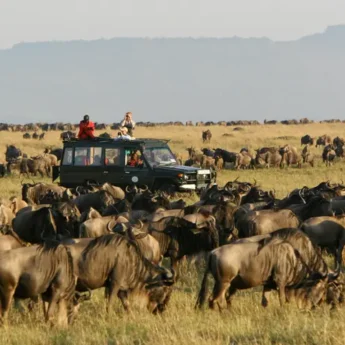
Yes, the Great Migration is a priority for me
Though many safari-goers visit between June and October for the dynamic river crossings, the Great Migration is a year-round cycle with distinct chapters dictated by the rains. The beauty of the Great Migration is that you can choose whichever part of it you’d most like to experience, and return repeatedly without ever seeing the same thing twice!
Consider the time of year you’re planning your visit and the aspects that inspire you. Are you drawn to the treacherous crossings, when hundreds of thousands of animals stampede from the Serengeti over to the Mara between July and October? Or would you prefer to see the predator action that hits a peak during the Serengeti’s calving season? Timing is all-important for a Great Migration safari, so your specific goals and travel dates really matter. It’s useful to note that the migration can be seen year-round in the Serengeti, but only between late July and late September in Kenya’s Maasai Mara.
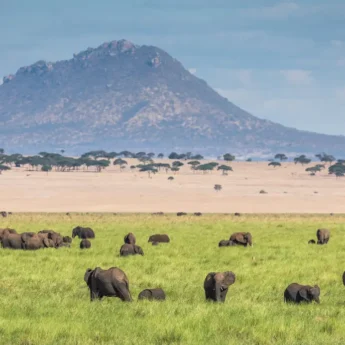
No, the Great Migration isn’t a ‘must’
If the Great Migration isn’t on your to-do list, you’ll have lots more flexibility to venture off the beaten path and explore Tanzania and Kenya’s lesser-visited areas. In Tanzania, you could visit the wild, lesser-known Ruaha and Nyerere national parks, which both offer better value for money and far fewer tourists. These parks also offer charismatic owner-run camps in the middle of nowhere and activities such as walking safaris and boating excursions through which you’ll explore lakes and river systems teeming with Nile crocodiles, hippos, and birdlife. In Kenya, head north from the Mara to to areas such as Laikipia, Samburu and Mathew’s Range for unique species and activities, authentic cultural experiences and seriously stunning scenery.
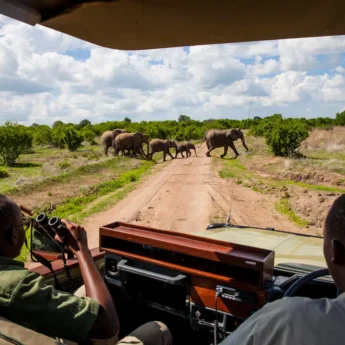
How do you feel about crowds?
The answer to this might seem obvious, but it’s important given the popularity of Kenya and Tanzania’s national parks. In particular, sightings of the world-famous Great Migration attract peak interest during certain months. That said, there are still ways to soften the crowded experience year-round by including quieter corners, more remote parks, and private conservancies. Once we know your travel dates, budget, and the items on your safari wish list, our specialists will guide you in the right direction!
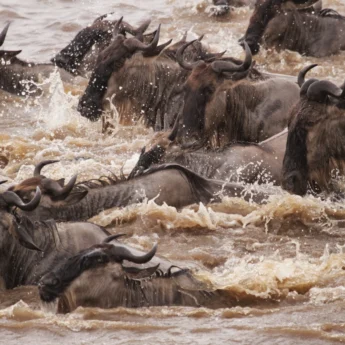
Crowds are fine if it means I’m covering the highlights
If crowds aren’t a concern, you’ll have full flexibility in terms of visiting all the best-known national parks and seeing the thunderous Great Migration river crossings. Families often travel in August, as this month coincides with school holidays. It’s also the perfect month for a first safari in East Africa, as it’s the dry season, wildlife densities are at its peak, and the migration can be seen in both Tanzania and Kenya. Keep in mind that river crossings draw crowds of 50 to 60 vehicles, and it’s ever so slightly busier on the Kenya side, due to the proximity to Nairobi, meaning day trippers can also enter the park.
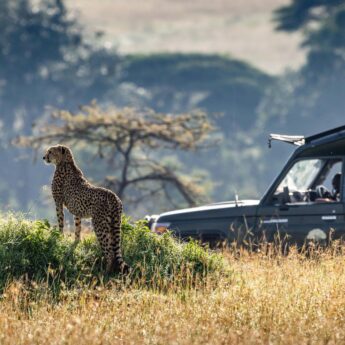
I would rather avoid crowds as much as possible
If the Great Migration is a priority but you’d like to avoid the crowds, we recommend staying in the game-rich private conservancies bordering the Maasai Mara, where vehicles are limited to just five per sighting. These areas are privately managed, so you’ll benefit from a wider range of experiences, including night drives, walks, Maasai village visits, bush dining, and children’s activities. You could combine a stay here with time in Laikipia for huge tracts of private wilderness and prolific wildlife, including rare rhino sightings. In Tanzania, the southern parks are ideal for a quiet safari as they are more remote, harder to reach, and less well known.
What activities would you like to include in your safari?

Safari is typically centred on game viewing, yet beyond the vehicle there are plenty of other activity-based safari experiences that offer a different perspective on the ecosystems and their wildlife. Tanzania is brilliant for classic safari activities and overland adventures, whereas Kenya allows for some highly creative itinerary planning, including cultural and conservation-focused experiences. Below, we highlight the main points of difference between what you can do in the two countries.
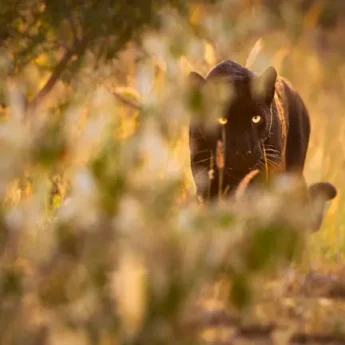
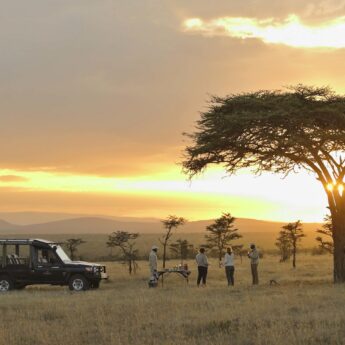
Kenya: Generally speaking, Kenya is better for a ‘complete’ experience where wide-ranging activities include cultural immersion and conservation projects. In areas like Laikipia, which consist largely of private conservancy land, the possibilities seem almost endless in terms of things to do. We can arrange horse riding in the wilderness amongst plains game, camel trekking, nights spent beneath the stars at a fly camp, swimming in the crystal-clear pools of the Ngare Ndare Forest, and tracking the elusive black leopard. As the ancestral land of the Maasai and Samburu peoples, Laikipia is also a great destination for cultural experiences. Those interested in conservation can visit K9 anti-poaching units, participate in rhino tracking, and learn about community-driven projects.
Tanzania: Northern Tanzania is a great choice for a classic safari. Combine the Serengeti with the Ngorongoro Crater for varied landscapes and riveting wildlife viewing. Or, for even more diversity, Lake Manyara is a great addition, particularly if you stay at Wayo Manyara Green Camp, which offers canoeing, treetop walks, mountain biking, and hiking up the Great Rift Valley. Southern Tanzania is remote and untamed, with landscapes that include towering baobabs, meandering rivers, dense forests, and predator-rich plains. In addition to day and night game drives, this terrain is ideal for boating and some excellent walking safaris.
Driving vs. Flying: How would you like to safari?
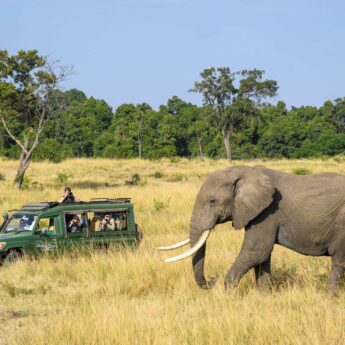
Before deciding between Kenya and Tanzania, consider your preferred mode of transport and whether you’re comfortable flying by light aircraft. Either way, our safari specialists are extremely well versed in getting around both countries and will provide you with all the options.
Kenya: Flying is largely unavoidable, so you’ll need to be prepared for several light-aircraft trips. The safari circuit is extremely well organised, and many of our favourite camps and lodges have their own airstrips just a few minutes’ drive away. We can also book private aviation for those seeking the utmost luxury and flexibility.
Tanzania: Tanzania is preferable if you’d like to include some overland elements. Keep in mind that you’d still need at least one light aircraft flight to get you to the northern Serengeti and back again. However, Tanzania can also be covered in part by road, which keeps costs down and allows you to explore the terrain from the ground.
What is your safari budget?
Kenya: In general, Kenya is more expensive than Tanzania due to higher transport costs and park fees. Demand is high for accommodation in Laikipia and the private conservancies adjacent to the Maasai Mara, which tends to steer towards luxury. Kenya also offers a wide range of add-ons, from heli-safaris to star-beds, so prices can add up quickly.
Tanzania: While Tanzania’s northern circuit definitely doesn’t cut corners on the luxury side, some small, great-value camps exist in its southern national parks, including Ruaha and Nyerere. These offer all the components needed for a rugged, authentic wildlife safari and often offer good deals, particularly during the green season. Including a driving component also lowers costs, as overland travel is less expensive than flying.
How to choose
The cost of your trip depends on the style of safari you seek. Consider whether you’d prefer luxury accommodation or a more adventurous approach, whether cost-effectiveness is key, and when you’d like to travel.
We also recommend browsing our itineraries for inspiration and guidance, including a great-value introduction to Kenya and highlights of Tanzania’s northern circuit. For luxury and a fly-and-flop beach element, our Tanzania safari-and-beach itinerary has plenty of great ideas to get you started. Or, this all-encompassing Kenya safari combines the Great Migration with ‘Big Five’ game-viewing and a range of cultural experiences. As always, these are designed to provide initial pointers. Our itineraries are individually tailored to each client, so reach out to our safari experts for a deep dive into your specific needs.
Can I visit both countries on one trip?
Yes, you absolutely can! And many people do, especially with more time to play with, or when aiming to cover the highlights in a single detailed itinerary. Travel between the two countries is straightforward, with well-established flight routes covering the safari circuits. Our experts have plenty of tips on how to combine Kenya and Tanzania, but, as always, it’s best to speak with them for a tailored itinerary that perfectly fits your needs.
Speak to an Expert
Let one of our Yellow Zebra specialists design
your tailor‑made African adventure